
Responding to a Software Supply Chain Compromise
Software supply chain incident response requires organizations to identify affected components, contain threats, investigate compromised builds, and restore trusted software without overlooking downstream impact.
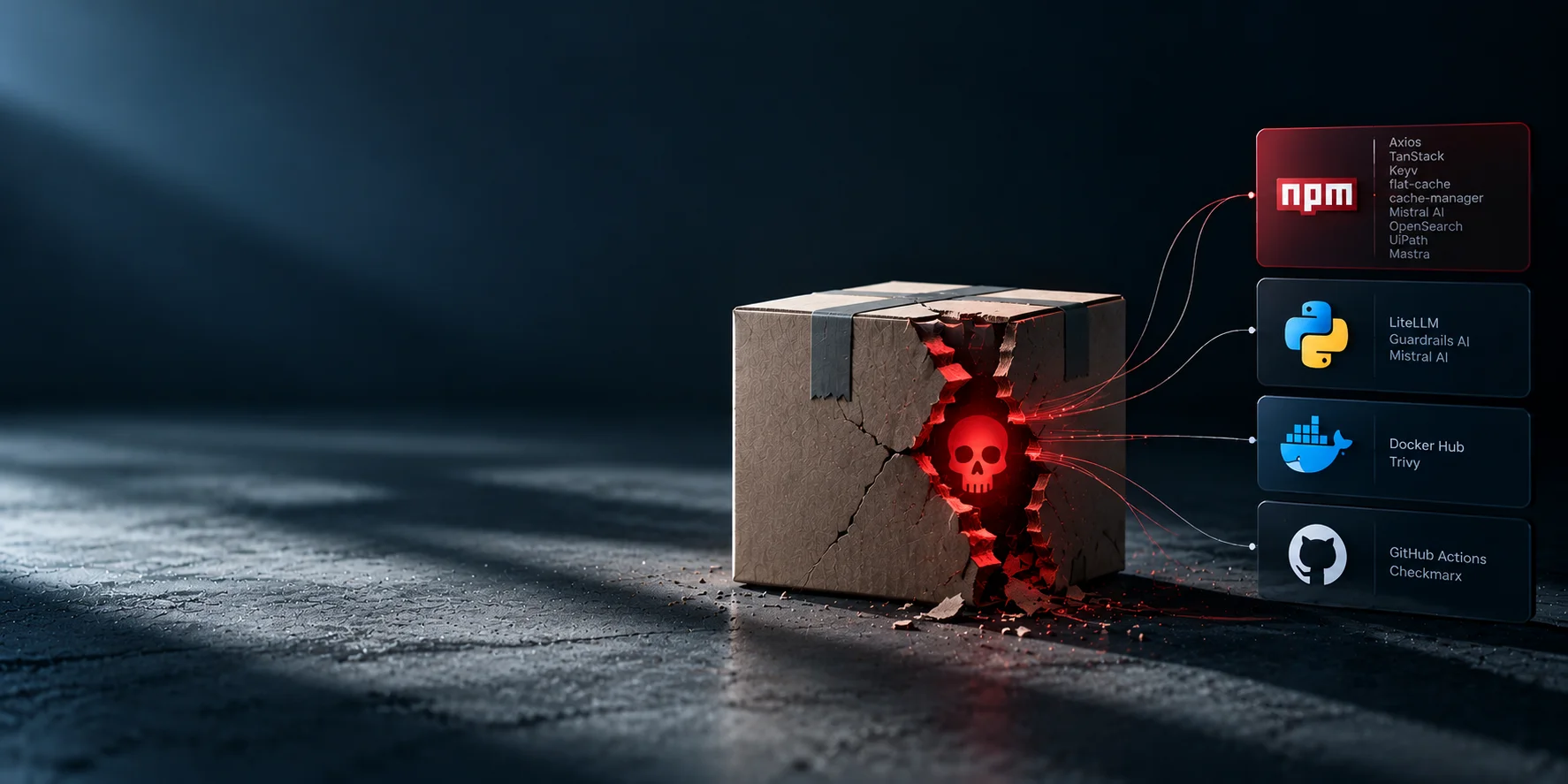
A software supply chain compromise can affect multiple applications, development environments, and production systems simultaneously. Identifying the affected component is only the first step. Security teams must also determine where it was used, whether compromised builds reached production, and whether the incident resulted in unauthorized activity.
Effective software supply chain incident response requires coordination between security, development, and operations teams. Organizations must identify affected dependencies, contain potential access, validate software artifacts, and restore trusted versions. A structured investigation helps establish the scope of the incident, guide remediation, and prevent similar compromises from recurring.
Identify the Affected Components
The initial response should establish which software component, package, vendor, or development system may have been compromised. Security teams should collect available indicators, including affected package versions, vendor advisories, suspicious file hashes, and relevant activity identified during detection.
A software inventory and Software Bill of Materials (SBOM) can help identify applications that include the affected dependency. Package manifests, lockfiles, container image records, artifact registries, and deployment histories provide additional evidence.
Teams should determine which builds used the affected component and whether those builds were distributed or deployed. This helps distinguish systems that may have been exposed from systems that require immediate investigation.
Contain the Compromise
Containment should reduce the attacker's ability to continue operating while preserving the evidence needed for investigation.
Depending on the incident, actions may include blocking access to a compromised package version, disabling a vulnerable integration, isolating affected workloads, suspending a compromised build pipeline, or revoking exposed credentials. If a vendor's update mechanism is affected, organizations may need to temporarily restrict updates until the integrity of new releases can be established.
Containment decisions should consider operational impact. Removing a component without understanding its dependencies can disrupt critical services, while leaving a compromised version in use may allow malicious activity to continue. Security, development, and operations teams should coordinate changes and document their rationale.
Establish the Scope of the Compromise
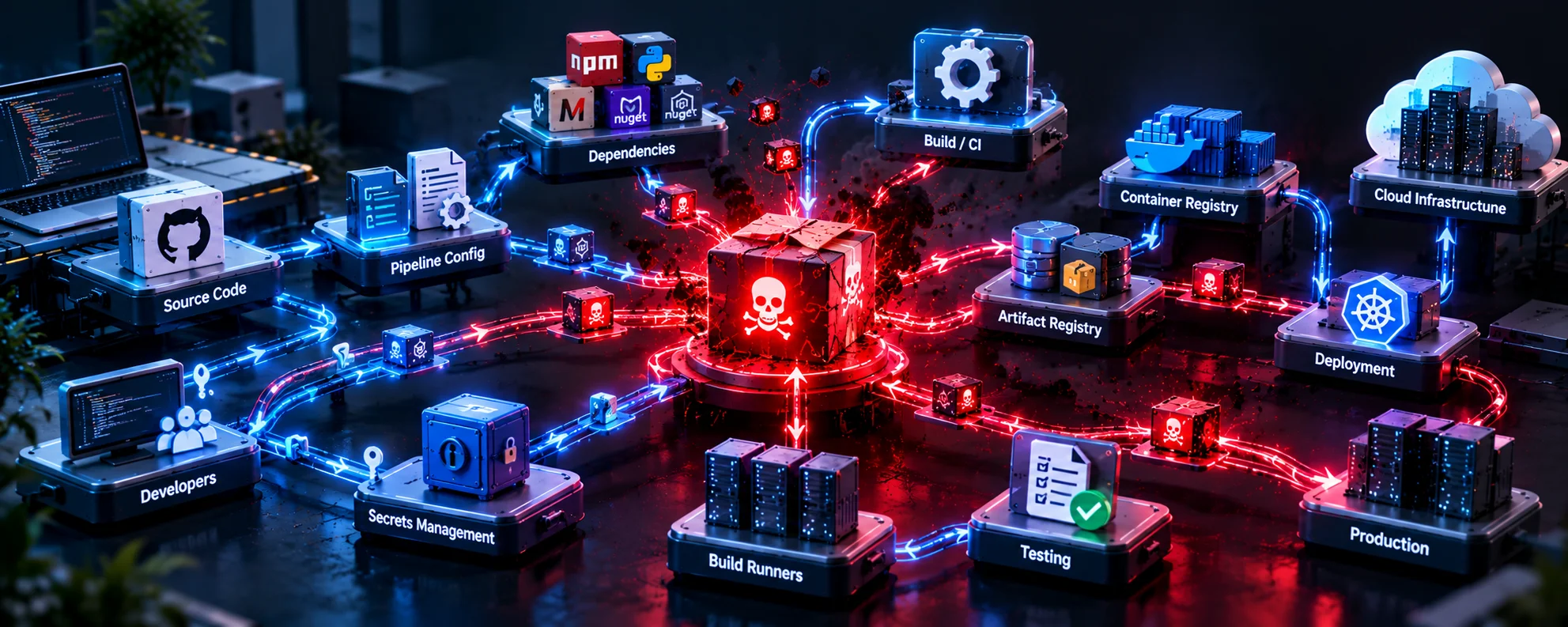
Removing a suspicious package or rolling back a release does not necessarily establish that an incident is contained. Organizations must determine which applications consumed the affected component, which builds included it, and whether those builds reached production.
Investigators should review dependency manifests, SBOMs, build logs, artifact registries, deployment records, endpoint telemetry, and relevant network logs. These sources can help establish a timeline connecting the compromised component to affected builds and deployed systems.
It is also important to distinguish exposure from confirmed exploitation. The presence of a vulnerable or compromised dependency does not, by itself, prove that an attacker executed code or accessed data. Responders should document confirmed evidence, unresolved questions, and systems requiring further investigation.
If credentials may have been exposed, teams should assess their usage and revoke or rotate them as appropriate. Where there is evidence of unauthorized access, the investigation should extend to potentially affected accounts, systems, and data.
Recover and Restore Trust
Recovery should begin only after the organization has established a credible path to trusted software and infrastructure. This may involve removing compromised components, deploying verified versions, rebuilding applications in clean environments, and reviewing the integrity of release artifacts.
Where build infrastructure may have been affected, simply rebuilding an application through the same potentially compromised pipeline may not be sufficient. Teams should validate the build environment, review pipeline configurations, and rotate credentials that may have been exposed.
Before restoring normal operations, organizations should confirm that remediation is effective, required security controls are functioning, and relevant systems are being monitored for signs of recurring activity.
Prevent a Similar Incident
After containment and recovery, conduct a post-incident review to identify weaknesses that allowed the compromise to occur or delayed detection.
Improvements may include maintaining accurate SBOMs, strengthening dependency verification, protecting build credentials, restricting pipeline permissions, and improving vendor incident notification procedures. Organizations should also establish clear responsibilities for incident coordination and define how affected teams and customers will be informed when necessary.
Lessons learned should lead to specific actions with assigned owners and deadlines rather than remaining only in the incident report. Incident response exercises can help validate whether teams can identify affected components, coordinate decisions, and restore trusted software under realistic conditions.
Conclusion
Responding to a software supply chain compromise requires more than removing an affected package or installing a patched version. Organizations must identify affected systems, contain potential access, establish the scope of the incident, and restore software through a trusted process.
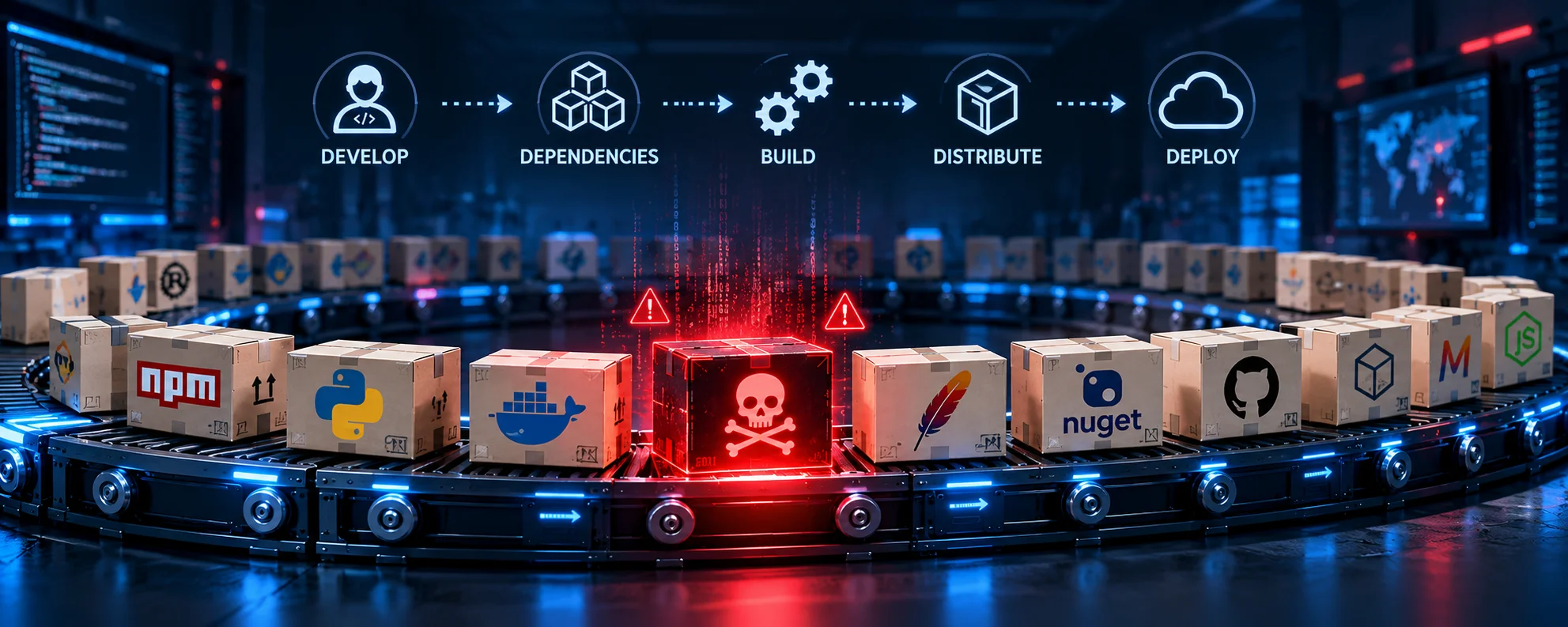
Accurate dependency inventories, reliable build records, coordinated incident response, and verified recovery procedures help reduce the impact of future compromises. The ability to trace software from its source to production is a critical part of responding effectively when that trust is broken.
Comments
No comments yet — start the conversation.